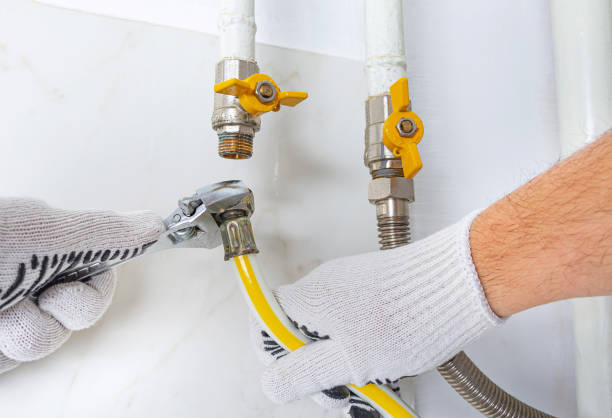
Gas heaters can provide steady warmth through Bowral’s colder months, but performance can change when components become dirty, worn or incorrectly adjusted. Timely gas heater repairs can restore reliable heating while addressing faults that may affect efficiency and safe operation.
A heater that takes longer to warm a room or repeatedly switches off should not be ignored. Professional gas heater repairs can identify the underlying cause before a small fault becomes a larger problem.
How Can Gas Heater Repairs Improve Heating System Performance?
The main benefit of gas heater repairs is restoring the heater to the operating condition intended by the manufacturer. A qualified technician can inspect worn components and check combustion, airflow and controls.
Better performance does not mean making an old heater run harder. It means correcting problems that prevent effective heat delivery. Depending on the fault, repairs may improve heat output, reduce unnecessary cycling and support steadier room temperatures.
For homes in Bowral, where heating may be used regularly during cold weather, these improvements can make a noticeable difference to comfort.
Common Problems That Call for Gas Heater Repairs
Gas heating systems can develop faults depending on their age, design, installation and maintenance history.
A faulty ignition system may cause delayed or failed start-up. Dirty burners can interfere with combustion, while restricted airflow can reduce performance. Thermostat or fan faults can also affect operation.
Common warning signs include:
- Unusual noises or smells
- Inconsistent heating or repeated shutdowns
- Ignition difficulties or a changed flame appearance
- Difficulty maintaining the selected temperature
These symptoms do not identify one cause by themselves, so gas heater troubleshooting should be based on proper diagnosis rather than guesswork.
Gas Heater Repairs and Heating Efficiency
Efficiency is closely linked to the condition of the heater and its supporting components. When burners, filters, fans, sensors or other parts are affected by dust, wear or faults, the system may not transfer heat as effectively as it should.
A technician carrying out gas heater repairs can determine whether cleaning, adjustment, component replacement or another corrective measure is appropriate. The objective is to support suitable operation and effective heat delivery.
Regular gas heater servicing can also help identify developing faults before they become disruptive. NSW Health recommends that a registered gas fitter checks a household gas heater at least every two years. This provides a useful maintenance interval, although the manufacturer’s instructions and the condition of the appliance should also be considered.
What a Professional Repair Visit May Check
A proper inspection should look beyond the symptoms reported by the homeowner. A gas heater technician may assess the appliance’s ignition, burner operation, controls, ventilation, flue arrangement and visible condition. Depending on the heater and the fault, testing may also be required to identify combustion or carbon monoxide issues.
The exact work varies between space heaters, ducted systems and other gas appliances. A technician should explain the fault and proposed repair clearly.
|
Area checked |
Why it matters |
Possible performance effect |
|
Burner and ignition |
Supports reliable combustion and start-up | Better heat consistency |
| Airflow and filters | Helps the system move and use air correctly |
Improved heat distribution |
|
Thermostat and controls |
Regulates when and how the heater operates | More stable temperatures |
| Fan and moving parts | Circulates warmed air through the system |
More even room heating |
|
Flue and ventilation |
Supports safe removal of combustion products | Safer, more dependable operation |
| Safety controls | Helps detect abnormal operating conditions |
Reduces continued operation during faults |
Gas Heater Repairs and Safety Checks
Performance should never be considered separately from safety. Gas appliances require correct combustion, ventilation and fueling, and faults in these areas can have serious consequences.
NSW Health advises households using gas heaters to ensure the appliance is checked by a registered gas fitter at least every two years and suggests considering a carbon monoxide alarm. Carbon monoxide cannot be seen or smelled, so an appliance that appears to be working can still require professional assessment.
For homeowners, gas heater safety checks and regular servicing provide an important part of responsible heating maintenance. If there is a suspected gas leak, carbon monoxide exposure or serious appliance fault, occupants should move to fresh air and seek appropriate emergency or professional assistance rather than attempting a DIY repair.
Why Gas Heater Maintenance Supports Better Performance
Gas heater repairs and maintenance are related, but they are not identical. Repairs address an identified fault, while maintenance focuses on keeping the appliance and its components in suitable working condition.
Gas heater maintenance can include inspection, cleaning where appropriate, checking controls and assessing components for signs of wear. The exact service depends on the appliance type and manufacturer requirements.
For homeowners, a maintenance routine can help reveal issues such as blocked airflow, deteriorating components or abnormal operation before they cause a complete heating failure. It also gives a technician an opportunity to identify whether an older appliance is becoming costly or difficult to maintain.
When Gas Heater Repairs May Be Better Than Replacement
Not every heating fault means the appliance needs to be replaced. A relatively minor issue, such as a failed component or control problem, may be repairable. On the other hand, an older heater with repeated faults, declining performance or obsolete components may require a broader assessment.
A gas heater replacement decision should consider age, repair history, performance, parts availability, safety condition and expected future costs. A professional can explain the practical options without assuming that replacement is automatically necessary.
Similarly, gas heater installation should be handled by an appropriately licensed professional. Choosing a new appliance involves more than comparing heating capacity; the heater must be suitable for the property, installed correctly and operated according to applicable requirements.
How Gas Heater Repairs Help Bowral Homes
Bowral properties can vary considerably in layout, insulation, room size and heating requirements. A heater that performs well in one home may not deliver the same results in another if airflow, controls or system design differ.
This is why residential gas heater repairs should focus on the actual appliance and installation rather than applying the same solution to every home. A technician can consider the reported symptoms, operating history and visible condition before recommending corrective work.
Homeowners can help diagnose by noting when the fault occurs, whether the heater starts normally, which rooms remain cold and whether unusual sounds or smells appear.
When Should You Arrange Gas Heater Repairs?
Do not wait for a complete breakdown. Arrange an inspection when a heater repeatedly shuts down, provides uneven heat or behaves differently from normal.
A change in flame appearance, unusual smell or suspected flue problem also deserves professional attention. These signs should not be treated as routine wear.
Homeowners should avoid opening, modifying or attempting to repair gas components themselves. Gas work should be completed by an appropriately qualified professional who understands the appliance and applicable safety requirements.
Gas Heater Repairs: A Practical Approach to Better Heating
Good heating performance comes from more than the appliance itself. Clean and correctly functioning components, suitable airflow, effective controls and proper maintenance all contribute to how consistently a system heats a home.
Gas heater repairs can improve performance when they address the cause of reduced output, cycling, poor ignition or uneven heating. Professional inspection can also identify conditions requiring correction before normal use.
For Bowral homeowners, the practical approach is to monitor changes in heater performance, follow manufacturer maintenance advice and arrange qualified servicing at appropriate intervals. If a fault appears, gas heater repairs should be based on proper diagnosis rather than trial and error.
Conclusion
A gas heater that is slow, unreliable or behaving differently from normal may be showing signs of a correctable fault. Gas heater repairs can restore dependable operation, support efficient heat delivery and help identify safety issues that are not obvious during everyday use.
Regular servicing, sensible maintenance and timely professional assessment can also reduce the risk of unexpected heating problems. If your heater is not performing as it should, Call for Gas Repairs from a qualified local technician to assess the system and explain the available repair or replacement options.
Frequently Asked Questions
1. How often should a gas heater be serviced?
NSW Health recommends that a registered gas fitter checks a household gas heater at least every two years. Manufacturer instructions and the appliance’s condition should also be considered.
2. What are common signs a gas heater needs repair?
Repeated shutdowns, weak or uneven heat, unusual noises, ignition difficulties and changes in normal operation can indicate a fault that needs professional assessment.
3. Can gas heater repairs improve heating efficiency?
They can when the repair addresses a fault affecting combustion, airflow, controls or heat distribution. The actual improvement depends on the appliance and the underlying problem.
4. Is it safe to repair a gas heater yourself?
Gas appliance repairs should not be treated as DIY work. A qualified professional should diagnose and repair gas-related faults and carry out relevant safety checks.
5. When should a gas heater be replaced instead of repaired?
Gas heater repairs may not be practical when an appliance is old, repeatedly failing, difficult to source parts for or no longer economical or appropriate to maintain. A professional assessment can help identify the available options.