A drain can cause trouble for quite a while before anything obvious happens. Water might take longer to disappear from the sink, a toilet may gurgle after flushing, or an unpleasant smell may keep returning even after cleaning.
A CCTV Camera Inspection gives a plumber a way to look inside the pipe rather than guess what is causing the problem. For homeowners in Bowral, that can make a real difference when the fault sits beneath a driveway, garden or concrete path.
What Happens During a CCTV Drain Inspection?
Most people never see the inside of their drainage pipes. They know something is wrong when water backs up or a blockage returns, but the cause could be several meters away from the affected fixture.
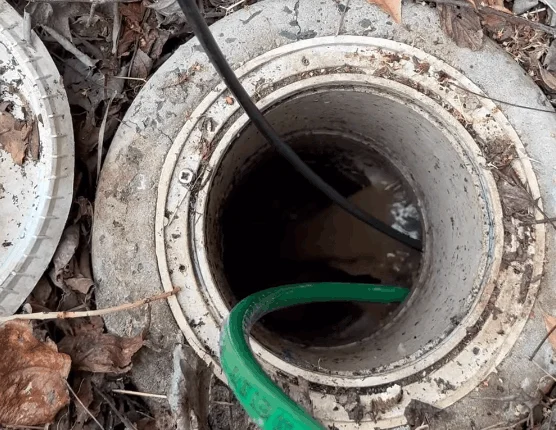
During a CCTV Camera Inspection, a plumber feeds a small waterproof camera into an accessible drain opening. The camera sends live footage to a screen, showing the internal surface of the pipe as the equipment moves along it.
The plumber watches for signs of damage, debris, tree roots and changes in the pipe’s shape. Depending on the equipment and site conditions, the footage may also be recorded for closer review.
This is different from simply clearing a blocked drain. Drain cleaning aims to remove an obstruction, while CCTV Camera Inspection helps establish why the obstruction developed in the first place.
For example, a plumber might clear a blockage only to find that the same drain slows down again a few weeks later. Looking inside the pipe can reveal whether grease is building up, roots are growing through a joint or a damaged section is catching waste.
Six Hidden Drain Problems a Camera Can Reveal
The symptoms of a drainage fault do not always tell the whole story. Two drains may behave in much the same way but need completely different repairs.
1. Tree Roots Growing Inside Pipes
Tree roots are worth checking when blockages keep returning, particularly around properties with established trees. Roots are drawn towards moisture and can enter underground pipes through small cracks or imperfect joints.
Once inside, they can spread through the pipe and catch paper, waste and other debris. What begins as a small intrusion may gradually restrict the flow of wastewater.
A CCTV Camera Inspection can show where roots have entered and how much of the visible pipe is affected. The plumber can then decide whether root removal is appropriate and whether the pipe itself needs repairing.
Removing the roots alone may not solve the problem permanently if the opening they entered through remains.
2. Cracks and Deteriorating Pipework
Underground pipes are not immune to wear. Older materials, ground movement, poor installation and external pressure can all contribute to deterioration.
A crack may allow soil or moisture to move through the pipe wall. In other cases, part of the pipe may break away or become misshapen.
Camera footage can reveal visible fractures and damaged sections that would otherwise remain hidden. It cannot always establish the full structural condition of the pipe, so a plumber may recommend further checks before deciding on a repair.
Finding damage early can help prevent a small fault from developing into a more disruptive drainage problem.
3. Grease and Everyday Waste Build-Up
Not every blocked drain has a structural problem behind it. In kitchen pipes, cooking grease can cool and cling to the internal walls. Soap residue, hair and other waste can also accumulate in household drainage lines.
These deposits gradually reduce the space available for water to pass through. A drain may work reasonably well most of the time but struggle when several liters of water need to move through it quickly.
A CCTV Camera Inspection can help show whether deposits are restricting the pipe and whether there are other issues nearby. The plumber can then choose a suitable cleaning method instead of assuming that the pipe needs replacement.
4. Misaligned Joints
Drainage pipes are connected in sections, and those connections need to remain properly aligned. Ground movement or deterioration can cause a joint to shift.
When the inside of the connection becomes uneven, waste may catch on the edge. A gap may also allow surrounding soil to enter the pipe.
A CCTV Camera Inspection can reveal these irregularities and help locate the affected section. If the same point repeatedly collects debris, that information can be more useful than clearing the blockage again without investigating its cause.
5. Sediment and Foreign Objects
Sand, silt and other material can enter some drainage systems, while unsuitable items may accidentally be flushed or washed into household pipes.
A camera may show a build-up of sediment along the bottom of the pipe or an object lodged in the drainage line. The view can help the plumber determine whether the obstruction is accessible and what removal method is suitable.
There are limits, though. A heavy blockage may prevent the camera from travelling any further, meaning the plumber might need to clear part of the obstruction before continuing.
6. A Partly Collapsed Drain
A severely damaged pipe may lose its normal shape, leaving only a narrow opening for water to pass through. In some cases, wastewater can still drain slowly, which makes the fault less obvious at first.
The camera may reveal a deformed section or show that it cannot pass a particular point during a CCTV Camera Inspection. Further investigation may be necessary to establish the extent of the damage.
A collapsed pipe generally needs more than routine drain cleaning. Identifying the affected area helps the plumber assess the repair options and determine whether excavation is required.
What the Camera Finds and What Happens Next
The footage from a CCTV Camera Inspection helps connect the visible symptoms with a possible cause. The table below shows how different findings may influence the next step.
|
What appears on the footage |
What it may indicate | Possible action |
| Roots entering through a joint | Root intrusion through an opening |
Remove roots and assess the joint |
|
Thick deposits on pipe walls |
Grease, soap or waste accumulation | Clean the affected section |
| Visible cracks | Damaged or deteriorating pipework |
Assess the damage and suitable repairs |
|
Uneven pipe connections |
Joint movement or misalignment | Locate the joint and investigate further |
| Sand or settled material | Sediment entering or collecting in the line |
Clear the material and investigate its source |
|
A narrowed or misshapen passage |
Pipe deformation or partial collapse | Arrange further assessment and possible replacement |
| Repeated obstruction at one point | A recurring structural or debris-related problem |
Identify the underlying cause |
These are possible interpretations, not automatic diagnoses. A plumber needs to consider the footage alongside the pipe layout, drainage symptoms and accessibility before recommending work following a CCTV Camera Inspection.
When Should Bowral Homeowners Arrange an Inspection?
A single slow drain does not necessarily mean the underground pipe is damaged. Hair caught near a shower waste or food debris in a kitchen trap may explain the problem.
It is more concerning when the same blockage returns despite cleaning, several fixtures start draining slowly, or wastewater backs up unexpectedly. Gurgling sounds and persistent drain odors may also warrant a CCTV Camera Inspection, although they can have causes other than a damaged underground pipe.
In Bowral, properties vary considerably in age and layout. Some have established gardens and mature trees, while others have newer drainage systems or recently renovated plumbing. Those differences can influence what a plumber checks first.
Consider a home where the kitchen sink drains slowly every few weeks. The trap has been cleaned and the immediate blockage removed, but the problem keeps coming back. A CCTV Camera Inspection may reveal a build-up further along the line or a joint that repeatedly catches debris.
That gives the plumber something specific to investigate instead of treating each blockage as an unrelated event.
Can CCTV Camera Inspection Reduce Unnecessary Digging?
Digging up a garden or driveway to find a drainage fault can be disruptive. Before excavation begins, it helps to know which section needs attention and whether the problem can be addressed another way.
A CCTV Camera Inspection may help narrow down the location of a visible fault. Some camera systems also use a locating device to help identify the position of the camera underground.
This can be useful when a pipe runs beneath paving, a landscaped area or another surface that would be expensive to disturb. However, locating accuracy depends on the equipment, pipe depth, access and ground conditions.
An inspection does not guarantee that excavation can be avoided. A badly cracked or collapsed pipe may still need to be exposed and repaired. The benefit is that the decision can be based on evidence rather than digging at several possible locations.
What to Expect From the Inspection Process
The process is usually straightforward, although the time required depends on the length and condition of the pipe.
First, the plumber asks about the symptoms, including when the problem started and whether it has happened before. They then identify an appropriate access point, such as a suitable inspection opening.
During a CCTV Camera Inspection, the camera is guided through the accessible pipe while the plumber watches for obstructions and damage. If a blockage prevents further movement, some preliminary clearing may be needed.
After reviewing the footage, the plumber explains the findings and discusses the next steps. This may involve cleaning the pipe, removing roots, repairing a damaged section or carrying out additional testing.
A CCTV Camera Inspection cannot assess every part of every drainage system. Inaccessible branches, severe obstructions and unclear footage can limit what is visible. A reliable explanation should include these limitations rather than promise that every possible fault has been ruled out.
Why Pipe Location Records Can Also Help
Knowing where a property’s sewer pipes run is useful when planning drainage repairs, extensions or landscaping. It can also help a plumber understand the route of the system before starting an investigation.
The NSW Government provides information about sewer service diagrams and plumbing inspection documents. Homeowners can refer to the official guidance on private sewer pipe locations.
A sewer diagram and CCTV Camera Inspection footage provide different information. A diagram helps establish the location of sewer pipes, while a camera shows the internal condition of the sections it can reach. Neither should be treated as a complete guarantee that the drainage system is free from faults.
Conclusion
Drain problems are frustrating enough without having to guess what is happening beneath the ground. A CCTV Camera Inspection allows a plumber to examine accessible sections of the pipe and look for the cause of recurring blockages, root intrusion, cracks or other visible faults.
For Bowral homeowners, this can make it easier to understand what needs attention before committing to a repair. It may also help narrow down the location of a fault and reduce unnecessary disruption, although some problems still require further testing or excavation.
If your drains keep playing up, book an inspection with JRA Plumbing Services. Explain the symptoms you have noticed and arrange an assessment to find out what may be causing the trouble.
Frequently Asked Questions
1. What is a CCTV Camera Inspection used for?
A CCTV Camera Inspection allows a plumber to view the inside of accessible drain and sewer pipes. It can help identify visible cracks, root intrusion, debris, misaligned joints and other problems that may explain recurring blockages or slow drainage.
2. Can a camera find a blockage underground?
Yes, the camera can often show an obstruction within an accessible pipe. Some systems can also help locate the camera from above ground. However, a severe blockage may prevent the camera from travelling far enough to inspect the rest of the line.
3. Do plumbers need to dig up the garden for an inspection?
Usually, no. The camera is generally inserted through an existing suitable access point. Excavation may be needed later if the inspection reveals a damaged section that requires physical repair.
4. How do I know whether my drain needs a camera inspection?
Recurring blockages, several slow-draining fixtures, unexplained backups and persistent drainage problems are reasons to contact a plumber. They can assess the symptoms and decide whether a camera inspection is the right approach.
5. Will an inspection fix the drain problem?
Not by itself. The camera helps identify visible problems, but cleaning, root removal or pipe repairs may still be needed. The appropriate work depends on what the plumber finds and whether further investigation is required.